
Top Sales Transaction Data Providers

Understanding Sales Transaction Data
Sales transaction data is generated every time a customer makes a purchase from a business, whether online, in-store, or through other sales channels. This data is typically captured and stored in point-of-sale (POS) systems, e-commerce platforms, or sales management software. By aggregating and analyzing sales transaction data, businesses can gain insights into sales trends, customer preferences, product performance, and revenue generation, enabling them to identify opportunities for growth and improvement.
Components of Sales Transaction Data
Key components of sales transaction data include:
- Product Information: Details about the products or services sold in each transaction, including product names, descriptions, SKUs (Stock Keeping Units), and categories.
- Quantity Sold: The number of units or quantities of each product sold in the transaction, indicating demand and popularity.
- Price Paid: The price paid by the customer for each product or service, including any discounts, promotions, or taxes applied.
- Transaction Timestamp: The date and time when the transaction occurred, providing insights into sales patterns and peak times.
- Customer Information: Optional information about the customer making the purchase, such as their name, contact details, loyalty status, and purchase history.
Top Sales Transaction Data Providers
- Leadniaga : Leadniaga offers comprehensive solutions for collecting, analyzing, and visualizing sales transaction data, providing real-time updates, customizable reports, and advanced analytics tools to help businesses gain actionable insights and improve sales performance.
- Square: Square provides POS systems and payment processing solutions that capture sales transaction data in real-time, offering businesses detailed reports and analytics to track sales trends and manage inventory.
- Shopify: Shopify offers e-commerce platforms and retail POS systems that capture sales transaction data across online and offline sales channels, providing businesses with insights into customer behavior, product performance, and revenue generation.
- Salesforce: Salesforce offers CRM and sales management software that integrates with POS systems to capture and analyze sales transaction data, enabling businesses to track customer interactions, manage sales pipelines, and forecast revenue.
- Lightspeed: Lightspeed provides POS and e-commerce solutions tailored for retail and hospitality businesses, capturing sales transaction data and providing insights into sales performance, inventory management, and customer engagement.
Importance of Sales Transaction Data
Sales transaction data is essential for various stakeholders in the following ways:
- Performance Tracking: Sales transaction data enables businesses to track sales performance metrics such as revenue, units sold, average order value, and conversion rates, helping them measure progress towards sales goals and objectives.
- Inventory Management: Sales transaction data provides insights into product demand and inventory levels, allowing businesses to optimize inventory management, prevent stockouts, and reduce carrying costs.
- Customer Insights: Sales transaction data helps businesses understand customer preferences, buying behavior, and purchase patterns, enabling them to tailor their offerings, marketing messages, and promotions to better meet customer needs and preferences.
- Decision Making: Sales transaction data informs strategic decision-making by providing evidence-based insights into market trends, competitive dynamics, and business performance, guiding decisions related to pricing, product assortment, and sales strategies.
Applications of Sales Transaction Data
Sales transaction data is utilized in various applications and use cases, including:
- Sales Analysis: Businesses use sales transaction data to conduct sales analysis and performance reviews, identifying top-selling products, high-performing sales channels, and opportunities for growth.
- Forecasting: Sales transaction data helps businesses forecast future sales volumes, revenue projections, and inventory requirements, enabling them to plan resources, set targets, and make informed business decisions.
- Customer Segmentation: Sales transaction data is used to segment customers based on their purchasing behavior, demographics, and preferences, allowing businesses to create targeted marketing campaigns and personalized promotions.
- Fraud Detection: Sales transaction data is analyzed to detect and prevent fraudulent transactions, identify suspicious patterns or anomalies, and protect businesses from financial losses and reputational damage.
Conclusion
In conclusion, sales transaction data is a valuable source of information for businesses seeking to understand and optimize their sales activities. With Leadniaga and other leading providers offering access to comprehensive sales transaction data and analytics solutions, businesses can leverage data-driven insights to track sales performance, analyze customer behavior, and make informed decisions to drive revenue growth and business success. By harnessing the power of sales transaction data effectively, organizations can gain a competitive edge in today's dynamic marketplace and achieve their sales and business objectives with greater efficiency and effectiveness.
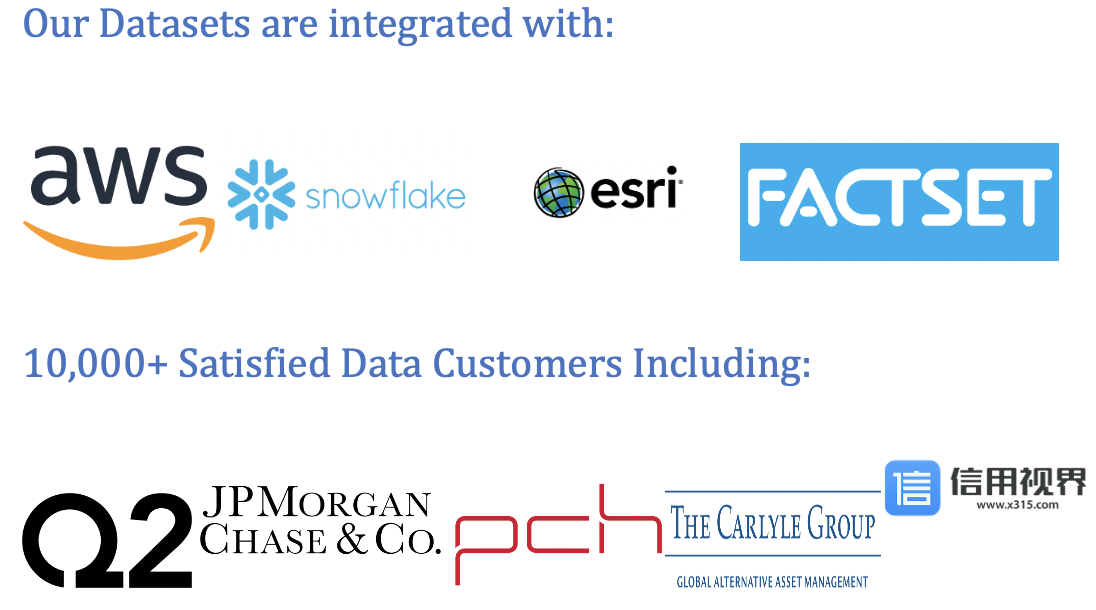
Our Datasets are integrated with :


10,000+ Satisfied Data Customers including :